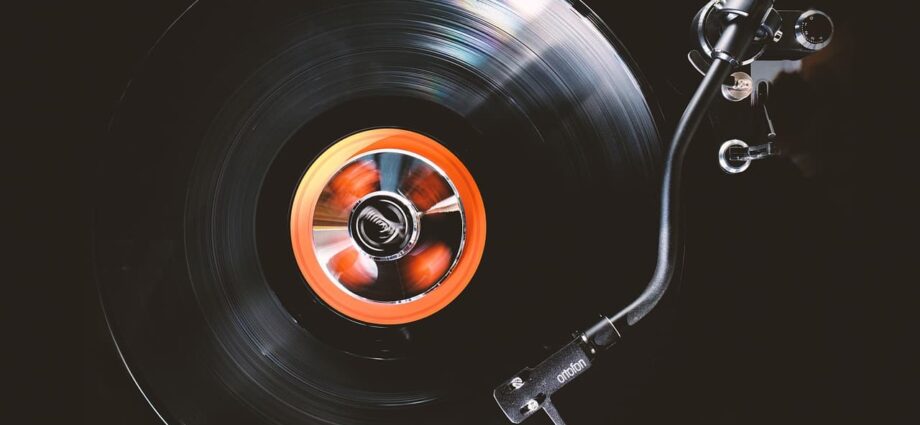
Vinyl should have died out by now. People thought that when music could be played without any objects, like MP3s then YouTube and now streaming services, vinyl would be a thing of the past. I mean, who needs a heavy record when you can listen to Miles Davis, SZA, Radiohead MF DOOM or Joni Mitchell on your phone, in just a few seconds?
Vinyl records just keep coming back. Young people who only knew music are now buying record players. Older people are taking out their vinyl records that they almost got rid of a long time ago. So the question is, is vinyl really worth spending money on?
The Ritual Hits Different
Streaming is fast, cheap and portable. But that convenience comes with a trade-off: music can become too easy to ignore. Vinyl forces a different pace. You pick a record, place it on the platter, drop the needle. That tiny bit of effort changes the mood. It makes listening feel less like scrolling and more like actually diving deep into music.
That matters because a great record has architecture. The opener sets the temperature. Track four might shift the mood a little bit. The final song can feel like a door closing behind you. Vinyl makes that structure harder to miss.
A record also gives you things streaming often hides:
- side A and side B as separate movements;
- the physical sense of an album as an object;
- fewer chances to skip after half a chorus.
Does Vinyl Actually Sound Better?
A record that is pressed well and played on a turntable with nice speakers can sound really nice and feel like it is alive. People think that vinyl records always sound better than music that is streamed and that is not true. If a record is pressed badly it will sound bad. A cheap turntable that looks like a suitcase can even ruin records.
Sometimes people, like vinyl records because they have a kind of sound not because they are super clear. They like the way the records sound with tiny mistakes and that is what makes vinyl records special.
The Mastering Matters More Than the Format
A thing to check before buying an album is was it made for vinyl or from a digital version. Vinyl has its limits so engineers often adjust the bass, volume and space between grooves. When they do it well the record sounds more open.
The Money Question: What Are You Really Paying For?
A new record can cost much as a month of streaming music. Then you need to set it up. A turntable is not enough. You might need speakers, an amplifier, a special tool for the cleaning stuff, a place to store it and a new needle for the turntable later on.
The real cost usually includes:
- a turntable that will not damage your records;
- speakers or an amplifier;
- a phono preamp, if your setup needs one;
- a record brush and basic cleaning supplies;
- inner and outer sleeves;
- proper storage space;
- occasional stylus replacement;
- the records themselves, which add up fast.
If you want to listen to music without spending a lot of money vinyl is not the choice. If you really like holding albums in your hands and looking at the artwork, if you enjoy collecting them and if you actually put the records on and play them then vinyl is worth the money you pay for it.
The Comeback Is Bigger Than Nostalgia
Vinyl’s return is not just a few retro-minded listeners trying to recreate their parents’ living room. According to the Recording Industry Association of America, vinyl continued to lead physical music formats in the U.S. in 2025, selling 46.8 million units compared with 29.5 million CDs and generating more than $1 billion in revenue.
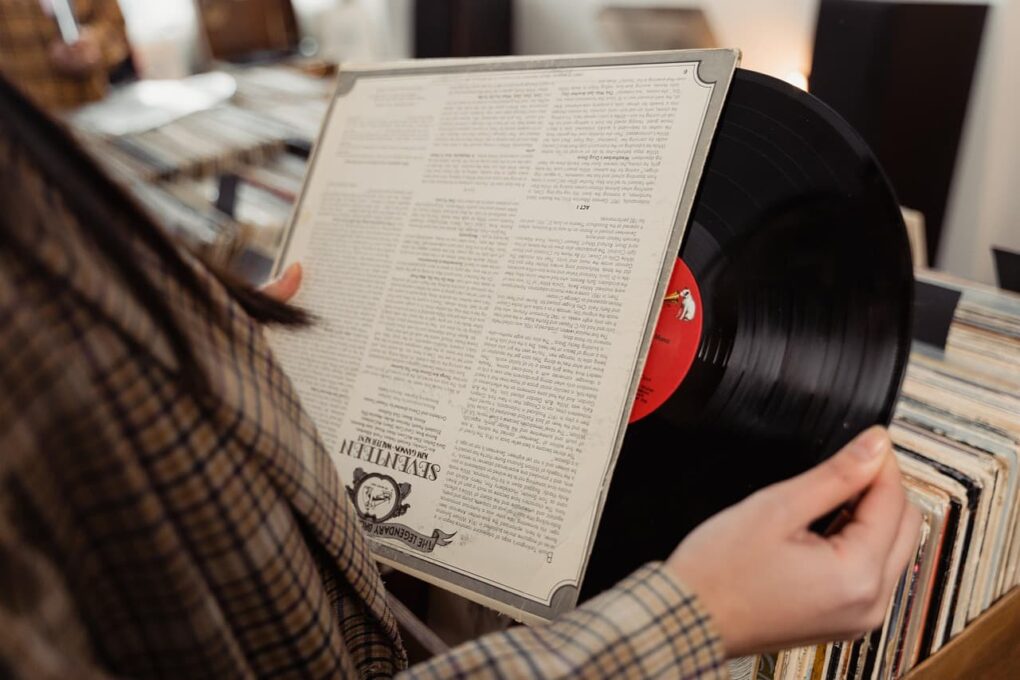
That is not a tiny underground movement anymore; it is a serious part of the music business. Streaming is about reach. Vinyl is about attachment. That is why the format keeps surviving. It gives fans something to hold when music itself has become invisible.
The Environmental Catch Nobody Likes Talking About
Vinyl records are made from a type of plastic called PVC. This plastic is connected to the production of petrochemicals. When you make vinyl records you have to press them put them in packages wrap them in plastic, ship them and store them. All these things are bad for the environment.
Sustainability discussions around vinyl have become more visible in recent years. For example, Key Production notes that the “cradle-to-factory gate” footprint of a vinyl record is around 1.15 kg CO₂e, with PVC compound and factory energy making up the largest shares.
A few simple rules help:
- Buy records you will actually play.
- Pick used records when possible.
- Avoid buying five versions of the same album unless it genuinely means something to you.
- Support labels that use recycled materials, lighter packaging, or lower-impact production.
- Take care of your records so they last for decades, not months.
Final Take: Buy Fewer Records, Love Them More
Vinyl keeps coming back because it offers something streaming cannot: friction. That sounds negative, but it is the whole point. The format asks for attention, and sometimes attention is exactly what music deserves. But vinyl is only worth it when it deepens the relationship. If it becomes another algorithm-fed shopping habit, the magic disappears fast.
So no, vinyl is not the future of music. But it does something rare: makes listening feel immersive again. Streaming is the library in your pocket. Vinyl is the record you invite into your room. The smart move is not choosing sides – it is knowing which one the moment calls for.